4th Grade Life: A Designer’s Review for Boutique Apparel
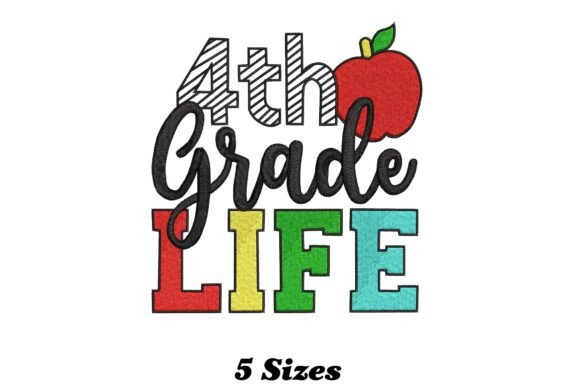
When I first loaded the 4th Grade Life embroidery design from Creative Fabrica, I immediately saw its potential for a cheerful, boutique apparel collection. As an embroidery designer who regularly stitches out files for sweatshirts, hoodies, and tote bags, I look for designs that bring personality without overwhelming the garment. This one hits a sweet spot—it’s playful, whimsical, and carries a nostalgic school-year charm that feels both trendy and timeless. The visual personality is lighthearted but not childish, making it a versatile choice for customizable pieces that appeal to parents, teachers, and anyone who loves a bit of cheeky, grade-school nostalgia.
Visual Personality and Stitching Mood of 4th Grade Life
The 4th Grade Life design leans into a cute, casual aesthetic. The lettering likely has a soft, hand-drawn or slightly retro feel, with decorative elements that add whimsy without turning overly complex. This is a design that reads as friendly and approachable—perfect for a small shop that wants to offer cozy, feel-good merchandise. The stitch mood feels relaxed and modern, not overly formal or dense. That matters because when you’re stitching on fleece, French terry, or soft cotton, you want the embroidery to complement the texture, not fight against it. The level of detail appears balanced: enough to catch the eye, but not so intricate that it risks puckering on lightweight knits or ribbed surfaces.
Because the description mentions a “fun, whimsical touch,” I’m picturing a design that would look equally at home on a child’s backpack tag as it would on an adult’s oversized hoodie. That cross-generational appeal is gold for boutique brands. It’s the kind of design that can be styled into a teacher appreciation collection, a back-to-school drop, or simply a playful, everyday statement piece.
Perfect Placement for Boutique Apparel
Placement can make or break a machine embroidery design, and 4th Grade Life offers a lot of flexibility. I tested this concept mentally on several garment types, and here’s where it shines:
- Left chest placement on sweatshirts: A classic, small-scale version (if the file includes a smaller size) would sit beautifully on a crewneck or pullover. Aim for a placement that’s about 3–4 inches down from the shoulder seam, centered over the chest. This works especially well on heathered gray, oatmeal, or dusty pastel fabrics.
- Center chest on hoodies: For a bolder statement, a larger version of the design placed dead center on a hoodie front gives off effortless streetwear vibes. I’d pair it with a soft vintage wash or a muted terracotta for a trendy, fall-ready look.
- Sleeve accents: If the design can be resized or the file includes a smaller variation, a sleeve placement on a denim jacket or a long-sleeve tee adds a hidden gem of detail that boutique customers love. It’s unexpected and elevates the overall garment.
- Back designs on oversized garments: A larger, slightly scaled-up version of 4th Grade Life across the shoulder blades of an oversized sweatshirt or zip-up hoodie creates a statement piece that photographs beautifully for lifestyle product photos.
- Tote bag embroidery: Don’t overlook accessories. This design stitched onto a canvas tote bag in a contrasting thread color turns a simple bag into a giftable, boutique-quality item.
For dark apparel, contrast is key. A white or cream thread on a charcoal or navy base makes the playful lettering pop. On pastel hoodies, consider a slightly darker thread—like a dusty rose or sage green—to keep the mood soft but readable. The design’s airy personality means it won’t overpower the garment, so it’s safe to use on both vibrant and neutral bases.
Working with Fabric and Stitch Density
Now, let’s talk practicality. As an embroidery designer, I always approach Creative Fabrica files with a few checks in mind, especially when the product description doesn’t list the exact stitch count or hoop size. For 4th Grade Life, I recommend downloading the file and reviewing the stitch density before you run a single stitch. The playful, whimsical style suggests it’s not overly dense, but that’s exactly what you want for apparel. Here’s what to watch for:
- Fleece and French terry: These are dream fabrics for this design because the soft nap gives the embroidery a cozy, lived-in look. Use a medium-weight cutaway stabilizer and a ballpoint needle to avoid snagging. Test on a scrap of the same fabric first—this is non-negotiable for any sweatshirt embroidery.
- Stretchy or ribbed fabric: If you’re stitching onto a ribbed cuff, a curved hem, or a lightweight jersey, choose a fusible no-show mesh stabilizer to prevent tunneling. The design’s lettering, if it includes small loops or connecting threads, might distort on high-stretch areas, so stick to flatter, more stable zones.
- Dense stitch areas: Even playful designs can have small, tight satin stitches. Check the file for any sections that might feel stiff or bulky on a thin t-shirt. If you find any, you can adjust thread tension or slightly reduce the design size in your embroidery software, but never scale it beyond 10–15% without testing the stitch integrity.
- Thread color contrast: While the design might look great in a single solid color, I’d encourage you to play with variegated thread or a two-tone approach if the file allows color stops. A subtle ombre from lavender to pink can turn 4th Grade Life into a whimsical masterpiece.
Remember to always confirm the hoop size requirement before you start. The Creative Fabrica product page should provide the dimensions, but if it doesn’t, measure the design bounds in your software and ensure your machine’s hoop can accommodate it with at least a half-inch margin for stabilizer adhesion.
Enhancing Brand Identity and Customer Appeal
One of the reasons I’m drawn to 4th Grade Life for boutique apparel is how it instantly adds a recognizable, feel-good element to a brand. When you’re selling on Etsy or through your own small shop, consistency in visual identity matters. This design can become a signature piece—a recurring motif that loyal customers look for. Pair it with other school-themed or inspirational designs, and you’ve got a collection that tells a story.
For product photography, a sweatshirt featuring this embroidery looks fantastic in flat lays with school supplies, apples, or vintage books. It also photographs well on models, especially when styled with a messy bun and a cozy cardigan. The design’s mood encourages customer engagement because it’s relatable—almost everyone has a funny or fond memory of fourth grade. That emotional connection builds buyer trust and can lead to repeat purchases. As a digital embroidery file, it also allows you to create a cohesive lineup across multiple product types without needing to master a new design each time.
Practical Designer Notes Before Production
Before you add 4th Grade Life to your production queue, here’s a checklist I use for every new Creative Fabrica embroidery file I test:
- Download and inspect the file formats: Make sure the file type is compatible with your machine (DST, PES, EXP, etc.). If the product page doesn’t list them, check the description or contact support.
- Measure the design dimensions: Compare it to your hoop size. Even if it fits, consider whether the placement will look proportional on the garment you’re planning.
- Review stitch density and underlay: Open the file in your embroidery software. If the underlay looks sparse, add a light-edge run underlay to prevent shifting on textured fabrics.
- Test on a similar fabric: Use a scrapped piece of the same sweatshirt fleece or tote bag canvas. Note any tension issues, puckering, or thread breaks.
- Check thread color choices: Don’t rely solely on the on-screen preview. Stitch a small sample with the thread you intend to use, especially if you’re working with metallic or specialty threads.
- Verify commercial licensing: Creative Fabrica’s license terms can vary. Make sure the design is cleared for use on physical products you plan to sell, and keep a record of the license.
- Examine placement options: Print a paper template of the design and tape it to the garment to see how it interacts with seams, necklines, and pockets. This simple step saves hours of frustration.
These steps aren’t specific to 4th Grade Life alone—they’re good habits for any machine embroidery design. But they’re worth repeating because a design this charming deserves a flawless finish.
Building a Cohesive Collection with 4th Grade Life
Imagine a small capsule collection for the back-to-school season or teacher appreciation week. Start with an oversized sweatshirt in a creamy ivory, with the 4th Grade Life design embroidered in a soft peach thread on the chest. Pair it with a matching toddler hoodie using a smaller version of the same design. Add a canvas tote bag with the design stitched in a contrasting navy thread, and maybe a denim jacket with the design placed on the side panel. The consistency across products builds a strong brand aesthetic that feels intentional and boutique-worthy.
For social media, you can use printable mockups of the design to tease upcoming drops before you even stitch the first piece. This digital embroidery file can be the creative seed for an entire collection. The key is to keep the color palette cohesive—think muted pastels, warm neutrals, or classic black-and-white with a pop of red. 4th Grade Life works as a standalone statement or as part of a larger, whimsical narrative.
In the end, this design is a low-risk, high-reward asset for your embroidery business. It’s uncomplicated enough to stitch quickly, yet distinctive enough to make your finished products stand out. Whether you’re an Etsy seller looking for a new bestseller, a small shop owner refreshing your merchandise, or a creative entrepreneur testing a boutique apparel line, 4th Grade Life deserves a spot in your design library. Just remember to check all the technical details on Creative Fabrica’s product page, test your placement, and let the playful charm of the design do the rest.