7th Grade Student: A Designer’s Honest Review
As an embroidery designer who frequently uses Creative Fabrica for client projects, I was drawn to the 7th Grade Student design. The preview promised a playful, whimsical touch, and I immediately envisioned it on a personalized tote bag for a middle schooler. Before committing to a full production run, I put the design through a mental checklist of real-world use cases. Here’s what I found.
First Impressions and Visual Mood
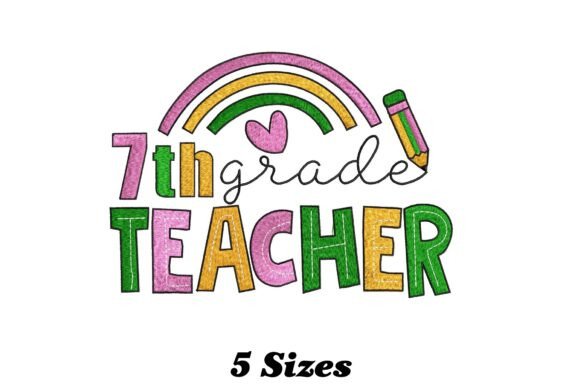
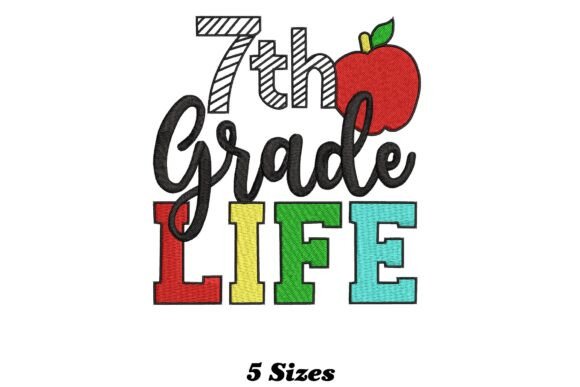
The moment I saw 7th Grade Student, I understood its niche. This isn’t a generic school-themed embroidery file—it carries a celebratory, almost nostalgic energy that speaks directly to a specific age group. The “cool embroidery design” hint in the description suggests a modern twist, likely with a mix of clean lettering and playful decorative elements. I imagined the satin stitch lettering paired with tiny star accents or a whimsical frame, all stitched in a way that feels both crisp and approachable.
However, as with any digital embroidery file, I never judge a design solely by its mockup. The on-screen preview might show delicate line work, but the actual stitch density and fill stitch areas can behave differently on fabric. I’d want to open the file in my embroidery software and inspect the stitch order, especially for any tiny lettering that could become illegible if the satin stitches are too wide or too dense. The overall mood feels lighthearted and appropriate for a School category piece, meaning it won’t feel out of place on a backpack, a locker accessory, or a graduation keepsake.
Where This Design Shines in Real Projects
When I evaluate a machine embroidery design for my shop, I mentally place it on at least five different product types. 7th Grade Student excels on items that get daily use and visible wear. A custom apparel piece like a sweatshirt is a natural fit—the design would sit proudly on the chest or sleeve, turning a plain garment into a statement of identity. I also see it working beautifully on a tote bag design, where the whimsical touch makes the bag feel like a fun school supply, not just a carrier.
For smaller projects, an embroidered patch idea came to mind immediately. If the design’s dimensions allow, you could stitch it on felt or twill, trim it, and create a sew-on or iron-on patch. That opens up a whole world of personalized gifts—think of a 7th grader’s jacket, hoodie, or even a pencil case. On caps, the design would need to be sized carefully; a low-profile structured cap might work, but the curved surface demands a design that isn’t too tall. Kitchen towels and pillow covers are other surprising candidates, especially for a “first day of school” photo prop or a bedroom decor update. The whimsical nature means it can brighten a nursery or a tween’s room without feeling babyish.
Navigating Fabric and Surface Challenges
Every experienced embroiderer knows that a design’s success depends heavily on the fabric and stabilizer. 7th Grade Student likely includes a mix of satin stitch and fill stitch areas. On textured fabrics like towels, those satin stitches can sink, so I’d use a water-soluble topper to keep the lettering crisp. For stretchy fabrics—think a cotton-spandex sweatshirt—a good cutaway stabilizer is non-negotiable to prevent distortion. Dark fabrics demand high-contrast thread colors; if the design uses a lot of dark blue or black, I’d swap to bright pops of color to maintain that playful vibe.
I also worry about tiny lettering. If the word “7th” or “Grade” is digitized too small, even a slight misregistration or fabric pull can blur the text. A test stitch on scrap fabric is essential. Curved cap surfaces are another beast: the design might need to be repositioned or slightly flattened to avoid the center seam. And because 7th Grade Student will likely end up on items that get thrown into the washing machine, I’d use polyester thread and a durable stabilizer to ensure the finished product holds up wash after wash.
Impact on Product Value and Customer Engagement
In the handmade product space, a design like 7th Grade Student can elevate a simple item into a personalized gift that buyers seek out. For Etsy sellers, listing this on a tote bag with the child’s name added (if licensing allows) could become a back-to-school bestseller. The specificity of the grade level creates a sense of exclusivity—it’s not a one-size-fits-all “Back to School” embroidery, but a targeted piece for a 7th grader. That specificity builds buyer trust because it shows you understand their needs.
From a branding perspective, this design can boost visual appeal in product photography. A crisp sweatshirt embroidery shot against a bright backdrop immediately communicates quality and care. At craft fairs, a display featuring this design on a pillow cover or an apron will catch the eye of parents and grandparents. The whimsical mood also makes it giftable—a finished item stitched with this design feels like a treat, not just another commodity. For commercial embroidery studios, it’s a fresh addition to the design assets library, ready for quick customization jobs.
Practical Stitching Notes
Before you load this design onto your machine, I’ve compiled a few non-negotiable steps based on years of trial and error:
- Test stitch on scrap fabric — preferably a piece that matches the final product’s weight and texture.
- Check thread color contrast — especially on dark fabrics. The design’s charm can fade if the thread blends into the background.
- Review the stitch density — if your software allows, reduce density slightly on thin fabrics to avoid puckering.
- Confirm your hoop size — always measure the design’s dimensions and ensure your smallest hoop can accommodate it without crowding.
- Use appropriate stabilizer — cutaway for knits, tear-away for woven fabrics, and a topper for towels or textured surfaces.
- Inspect tiny details after stitching — look for thread breaks, loose satin stitches, or skipped trims.
- Check the Creative Fabrica product page — verify file formats, stitch count, hoop requirements, and commercial embroidery license terms before selling finished items.
Checking the Creative Fabrica Product Details
The product description gives a glimpse of the design’s intent—playful, cool, ideal for t-shirts, towels, and home decor. But it doesn’t spell out the technical specifics. Before downloading, I always visit the Creative Fabrica embroidery product page to look for the exact file formats included, the stitch count, and any size limitations. The description mentions “This machine embroid” — a reassuring sign that it’s been digitized for smooth stitching, but I’d still want to know if it includes common formats like PES, DST, or JEF. If the listing includes a printable mockup, that’s a bonus for quick product photography, but I don’t rely on it for the actual stitch quality.
Is the 7th Grade Student Design Worth Your Download?
After running through my mental checklist, I’d say 7th Grade Student is a solid niche pick. It fills a very specific need in the School category, and its whimsical personality makes it stand out from generic academic designs. For a handmade product seller focusing on customized youth apparel, teacher gifts, or back-to-school craft fair items, this design could become a quiet workhorse. The playful mood translates well to tote bags, sweatshirts, patches, and even aprons for a young baker.
I’m not going to claim it’s a universal bestseller. The grade-specific nature means its audience is narrower, but that’s exactly its strength. When you’re curating a collection of digital embroidery files for your shop, a design with a clear identity can attract a loyal buyer. Just remember to do your due diligence: test the stitch, adjust for your fabric, and confirm the license on Creative Fabrica. If you’re selling finished products, you’ll want to be sure the commercial embroidery terms allow it. With the right prep, 7th Grade Student can become a charming, reliable addition to your design assets — and a thoughtful detail in your next personalized gift project.