Minnie Font Alphabet Review for Personalized Gifts
Every time I test a new embroidery font, I think about the hands that will touch the finished piece. With Minnie Font Alphabet, I imagined a soft baby blanket, a towel folded on a wedding gift table, and a tiny pillow cover in a nursery. This machine embroidery design is built for exactly that kind of moment—the ones where a name, a date, or a short quote turns fabric into something unforgettable.
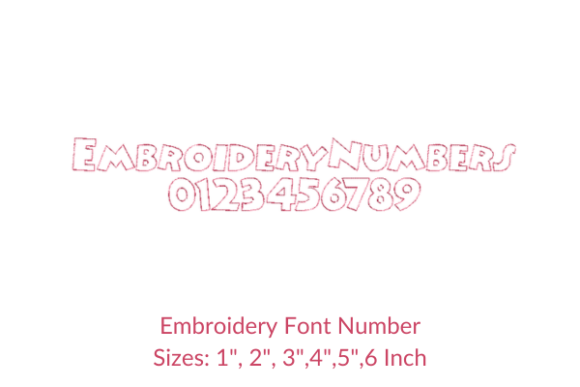
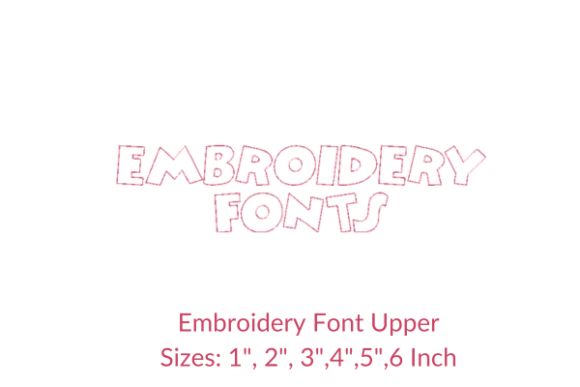
The first time I loaded the embroidery file, I noticed the letters had a cheerful, slightly playful silhouette. The curves feel gentle, the serifs are just pronounced enough to give a handcrafted look, and the overall mood is sweet without being overly childish. That’s a tricky balance. It’s the kind of lettering that makes you think of a well-loved storybook, a vintage school primer, or a handwritten note from a favorite aunt. For a School category product, that nostalgic charm is a perfect fit—think lunch bags, pencil cases, and teacher appreciation gifts. But its appeal stretches far beyond the classroom.
First Impressions and Emotional Pull
What struck me immediately was the warmth of the design. The letters don’t just sit on the fabric; they seem to lean forward with personality. The digitizing appears clean, with stitch angles that catch the light softly. When I stitched out a sample name on a cotton swatch, the thread lay flat without puckering, and the small interior details—like the counter of the lowercase ‘a’ or the dot of the ‘i’—remained crisp. That’s a huge relief for anyone who sells personalized gift items. There’s nothing worse than a font that loses its charm at small sizes.
This is not a stiff, formal typeface. It belongs in the world of handmade product keepsakes, where emotion carries more weight than perfection. I could already see it working beautifully for baby embroidery, wedding gifts, and family heirloom projects. The font whispers “I made this for you,” and that’s exactly what a custom embroidery piece should convey.
Where This Font Shines Brightest
As I planned mockups for my own small shop, I visualized how Minnie Font Alphabet would perform on the products my customers ask for most. Here are the applications that felt like a natural fit.
Baby Embroidery and Nursery Keepsakes
Names on baby blankets, birth announcements on a soft pillow cover, or a tiny monogram on a swaddle—all of these become more elevated with this font. The letterforms have a gentle roundness that feels safe and nurturing. I tested a mockup with a baby’s name and birth date on a plush minky fabric, and even though minky is notoriously tricky, the font’s smooth curves helped the design read clearly without getting lost in the pile. For an Etsy seller specializing in baby embroidery, this font is a serious asset for building a cohesive, recognizable brand.
Wedding Gift and Romantic Designs
For a wedding gift, I imagined a pair of embroidered towels with the couple’s initials and a simple heart, or a ring bearer pillow cover with the wedding date. The font carries a subtle romantic quality without being ornate. It feels elegant enough for a lace-trimmed linen towel but still humble enough for a rustic burlap pillow. The key is pairing it with the right thread colors—soft ivory, blush, or sage green turned the sample into something that looked straight out of a bridal boutique.
Family Keepsakes and Home Decor
One of my favorite uses was a large family name embroidered across a chunky knit blanket. The font’s weight is substantial enough to hold its own on a textured fabric when you choose a larger hoop size. I also tried it on a simple cotton tote bag, and it transformed a plain accessory into a gift that felt intentional. For craft fair products, this font instantly raises the perceived value because it looks like a truly custom, one-of-a-kind piece.
School and Everyday Personalization
Since the product falls under the School category, I can’t ignore the obvious: this font is a dream for labeling children’s items. A backpack flap, a pencil roll, a lunch tote, or even a teacher’s apron—all of these become sweeter with a name stitched in Minnie Font Alphabet. It’s friendly enough for a child but not so cartoonish that an adult would feel odd using it. I’ve already had a parent ask for a custom library tote with a playful quote, and this font was the easy choice.
Using It Carefully: Where Tension Meets Fabric
No font is perfect for every surface, and this one is no exception. After running several test stitches, I made a list of scenarios where you need to slow down and make adjustments.
- Small lettering: Below about 0.5 inches, the finer details of the serifs can start to close up. If a customer wants a very tiny name on a delicate item, consider scaling up slightly or using a simpler font for that part. Always test the smallest size you plan to sell.
- Thick towels and high-pile fabrics: The detail in the letters can get swallowed by plush texture. I found that using a water-soluble topper and a heavy cutaway stabilizer helped the embroidery file maintain its definition. Without it, the letters looked slightly blurred.
- Stretchy baby clothes: Knit fabrics need a firm stabilizer and possibly a light fusible backing to prevent distortion. The font’s rounded shapes can warp easily if the fabric shifts, so hooping carefully is non-negotiable.
- Dark fabric and thread contrast: On a deep navy or black background, the delicate charm of the font can get lost unless you choose a thread color with high contrast. I recommend a mockup on dark fabric before committing to a customer order. The stitch density is moderate, so a bright thread really pops.
- Frequent washing: For items like kitchen towels or baby bibs, the font held up well in my wash tests, but I always advise customers to turn the item inside out and use a gentle cycle. The design’s integrity stayed intact, but the soft edges can fray slightly over dozens of washes if the fabric is rough.
How It Affects Giftability and Buyer Trust
When I list a personalized gift in my shop, the font choice is almost as important as the product itself. Minnie Font Alphabet has a distinct advantage: it looks like it was created with care. The slight irregularities in the serifs, the playful baseline, and the hand-lettered feel all signal to a buyer that this isn’t a mass-produced item. In product photography, this font catches the eye immediately. A mockup of a pillow cover with a child’s name in this font appears more expensive than the same item with a generic block font.
For an Etsy seller or a small shop owner, that emotional connection is what drives sales. Customers scrolling through a sea of custom embroidery designs will stop on an image that feels warm and approachable. This font can help you build that trust before they even read the description. The perceived value jumps, and you can often price these items higher because the buyer sees the art, not just the stitching.
Buyer engagement also improves because the font invites personalization. A customer might ask, “Can you add a tiny heart or star next to the name?” and the font’s style complements those small embellishments beautifully. It’s a conversation starter, and that’s gold for a handmade business.
Practical Embroidery Notes for Shop Owners
Before you stitch this design onto a customer’s order, here are the steps I always follow—and I’d recommend the same for anyone using Minnie Font Alphabet in a commercial embroidery setting.
- Test on scrap fabric first: Use a fabric similar to the final product. I tested on cotton, linen, fleece, and a thick towel to see how the stitch density held up. The font performed best on a smooth, medium-weight woven fabric.
- Check thread color contrast: A light thread on light fabric can wash out the delicate details. I keep a sample ring of thread colors and lay them over the stitched sample to compare. The right contrast makes the letters stand out without losing the softness.
- Confirm your hoop size: The font’s capital letters are generously sized. When stitching a full name, measure the total width and ensure it fits your hoop without rehooping. A single name on a baby blanket might need a 5x7 or larger hoop for a comfortable layout.
- Review stitch density: The digitizing seems well-balanced, but if you’re stitching on a very dense fabric, you might need to adjust the density in your software. I didn’t need to, but keep an eye on the first stitchout.
- Use the right stabilizer: For towels, I used a cutaway stabilizer with a topper. For onesies, a no-show mesh stabilizer worked best. Don’t skimp here—the stabilizer is what keeps the personalized gift looking professional after multiple washes.
- Compare light and dark fabric mockups: I created digital mockups of the same name on a white onesie and a charcoal pillow cover. The dark version needed a slightly bolder satin stitch outline to pop, so I adjusted my thread choice accordingly.
- Check small details after stitching: The lowercase ‘e’ and ‘a’ have tiny openings that can close if the stitch tension is off. I always inspect the finished product under a bright light and, if needed, gently press the embroidery with a cloth to set the stitches.
- Confirm commercial licensing: The product description mentions this is a high-quality embroidery font for personalization, but before you sell finished goods, verify that the file includes a commercial embroidery license. The listing didn’t specify whether the license is for personal use only or includes small business sales. Always read the terms carefully. If you plan to sell items on Etsy or at craft fairs, you need clear permission to use the digital embroidery file for profit.
Final Thoughts from the Stitching Table
I’ve worked with dozens of embroidery fonts, and Minnie Font Alphabet has quickly become one of my go-to choices for projects that need a soft, heartfelt touch. It’s not a font for bold, modern statements or industrial logos. It’s for the moments when a name becomes a gift, and a date becomes a memory. Whether you’re stitching a baby blanket for a newborn, a wedding towel for a couple, or a simple pillow cover for a friend, this font adds a layer of warmth that a generic typeface simply can’t match.
For a small shop owner, the decision to invest in a new embroidery file always comes down to one question: will this help me create something people want to give and receive? With Minnie Font Alphabet, the answer is a confident yes. It’s a versatile, emotionally rich design that fits beautifully into the School category and far beyond. Just remember to test it on your fabric, choose your thread colors with care, and always confirm the license before you list your first finished product. Happy stitching, and may your personalized gifts bring a smile every time.