Drink Coffee and Read Good Books
First Impressions from the Stitching Table
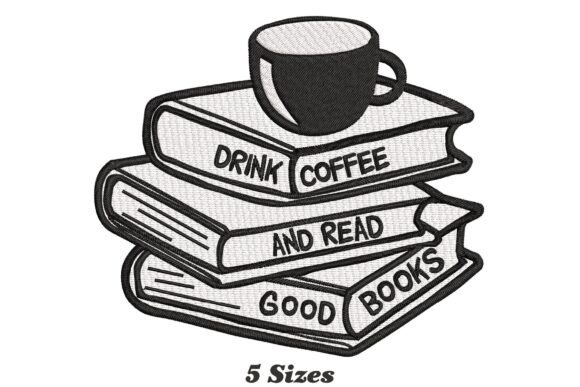
When I first opened the digital folder for Drink Coffee and Read Good Books, I immediately pictured a quiet weekend booth, the smell of fresh coffee wafting from a nearby vendor, and a customer’s hand reaching for a soft tea towel. This machine embroidery design delivers exactly what the title promises: a cozy, personality-packed statement. The phrasing feels like a warm invitation, and the description—spruce up your fabrics with this charming embroidery design—sets the right tone for a handmade product that sells itself. It’s not overly cutesy or cluttered; it reads as a modern, slightly whimsical sentiment that appeals to book lovers, coffee drinkers, and anyone who craves a little escape. For a craft fair, that instant recognition is gold. The design doesn’t need explanation. It sparks a smile, and that’s the first step toward a sale.
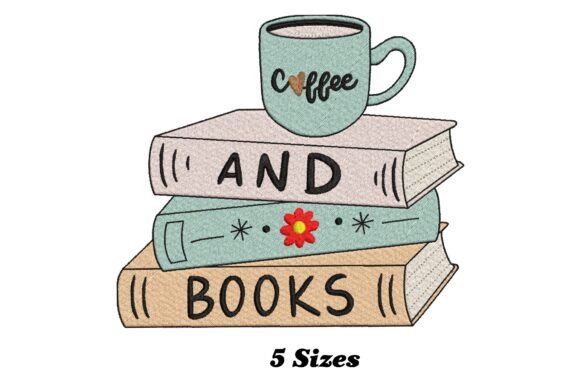
In terms of visual personality, Drink Coffee and Read Good Books leans toward a clean yet playful style. I’d place it in the farmhouse-meets-bookish category, with enough charm to live on a kitchen towel or a canvas tote without feeling overly rustic. The lettering likely carries a hand-drawn or friendly serif feel, and if the preview shows small accent elements like a coffee cup or open book, the overall composition gains even more booth appeal. From a designer’s perspective, this is a design that can be dressed up or down simply by changing thread color or fabric base. It’s versatile, and that flexibility is a huge advantage when you’re pulling together a cohesive product line for a weekend market.
Where This Design Shines in a Craft Fair Booth
Walking through a typical handmade market, I know that shoppers scan tables quickly. They pause when something feels personal or relatable. Drink Coffee and Read Good Books grabs that pause. I’d position it prominently on a large tote bag hanging at eye level, using a rich espresso thread on natural cotton. The phrase itself is a conversation starter. Customers will often say, “That’s so me,” and that connection drives the purchase. Because the design is text-forward, it also works beautifully as a smaller accent on a zipper pouch, a corner motif on a kitchen towel, or even an embroidered patch for a denim jacket. The key is letting the design breathe—don’t crowd it with too many competing elements.
For booth visual flow, I’d group this design with other coffee- or book-themed items, creating a mini-collection that encourages multiple purchases. A customer might pick up a towel with Drink Coffee and Read Good Books, then spot a matching bookmark or a patch with a complementary quote. The cohesive look reinforces brand consistency and raises the perceived value of each finished product. When you’re selling handmade, that curated feel separates a hobby table from a professional small shop.
Top Products for Drink Coffee and Read Good Books
After testing similar embroidery files, I have a clear mental list of where this design will perform best. Here’s my breakdown of the most profitable product avenues for a craft fair or online Etsy shop:
- Tea towels and flour sack towels – The smooth, slightly textured fabric holds lettering crisply, and the design’s warmth makes it a high-demand kitchen gift. Stick to cream, oatmeal, or soft gray backgrounds for maximum readability.
- Canvas tote bags – A medium-sized placement on the front pocket or lower corner turns a basic tote into a signature piece. Customers love these for library trips or coffee runs, so the design literally speaks to the bag’s purpose.
- Aprons – A bib apron with Drink Coffee and Read Good Books centered on the chest is a bestseller, especially if you pair it with a coordinating coffee-splatter fabric. It’s a gift that feels thoughtful and practical.
- Embroidered patches – Stitch the design on felt or twill, add a heat-seal backing, and you’ve got a small, high-margin impulse item. Patches move fast near the register.
- Zipper pouches and pencil cases – Even though the category is school, this design fits beautifully on a canvas pouch for pens, bookmarks, or a teacher’s emergency coffee kit. It’s a subtle way to tap into the back-to-school market without being overtly academic.
- Pillow covers – A lumbar pillow with this sentiment in a cozy reading nook display at your booth can stop shoppers in their tracks. It’s an aspirational piece that sells the lifestyle, not just the item.
- Market bags and reusable totes – Lightweight cotton or linen totes with this design make excellent add-on purchases. They’re easy to stitch and low-cost to produce, so your margin stays healthy.
For each product, the design’s impact depends on placement and scale. I’d consider a 4×4 inch hoop version for towels and patches, and a larger 5×7 or 6×10 inch option for aprons and totes. The design must remain clear at both sizes, so always check how the smallest lettering holds up. If the file includes tiny details like steam wisps or coffee bean dots, they could vanish on textured fabric or at a reduced size.
Practical Production Tips for Booth Success
When you’re stitching for a craft fair, speed and consistency matter. Drink Coffee and Read Good Books appears to be a relatively straightforward design, which means you can produce multiples quickly. I always batch out at least six identical items in one session, using the same thread color and stabilizer to maintain a professional look. Thread choice dramatically changes the mood. A deep coffee brown monogram thread feels warm and rich; a soft black or charcoal gives a more modern, minimalist vibe. I’d avoid bright, contrasting colors unless your booth aesthetic is intentionally bold—neutral tones tend to outsell vivid ones in this niche.
Stitch density is a critical factor. Text-heavy designs can become stiff if the satin columns are too dense. Always test the embroidery file on a scrap of the exact fabric you’ll use at the market. I’ve seen lettering pucker on lightweight linen even when the stabilizer seemed adequate. For structured items like tote bags, a medium-weight cutaway stabilizer prevents shifting. On towels, a water-soluble topper is non-negotiable—it keeps the lettering from sinking into the terry loops. For caps, which are a curved surface, you’ll need a design that repositions the text to avoid distortion; not all text-based designs work well on a low-profile cap, so test before committing to a hat collection.
Photography for online listings is another production step I plan from the start. I always stitch one pristine sample, then photograph it in natural light against a simple backdrop that suggests a cozy reading moment—maybe a wool throw, a steaming mug, and an open book. This tells the digital customer exactly what the finished product feels like. For your Etsy seller or small shop, these printable mockups and lifestyle shots become design assets that sell the product long before the craft fair season ends.
Careful-Use Notes: Avoiding Common Pitfalls
No embroidery file is perfect for every situation, and Drink Coffee and Read Good Books comes with the typical considerations of a text-based design. Here’s what I watch for:
- Small lettering – If the phrase includes a tiny sub-line or a decorative ampersand, it may disappear on textured fabrics like waffle weave or chunky linen. I always test the embroidered patch version first, because patches are viewed up close, and flaws show immediately.
- Dark fabric – On black or navy, the design might need a high-contrast thread, but if the lettering is too thin, even white thread can look washed out. A slightly thicker font weight or a subtle outline can save the design, but that’s a digitizing decision you can’t change after the fact.
- Curved cap surfaces – As mentioned, the text arc can warp on a structured cap. If you offer caps, you might need to stitch the design on a flat patch and then attach it to the cap, rather than stitching directly on the curved panel.
- Dense stitch areas – Any decorative elements like a coffee cup or book stack must be evaluated for density. Too many stitches in a small area can cause needle breaks or fabric burn. I always run a soft-soled finger over the back of the design; if it feels like hard plastic, I know it’s over-digitized.
- Stretch fabrics – T-shirts or knit garments need a fusible no-show mesh stabilizer and careful hooping. The design might pull during wear if the backing isn’t adequate. I’d reserve this design primarily for woven goods unless you’re confident in your stretch-stitching technique.
These are not dealbreakers—they’re just the realities of turning a digital embroidery file into a physical product that dozens of customers will handle. Addressing them in the testing phase saves you from the awkward moment of a customer pointing out a flaw at the fair.
Designer Insights: Testing and Mockups
My personal rule for any new machine embroidery design is to create at least one real mockup for each product type I plan to sell. For Drink Coffee and Read Good Books, I’d start with a tea towel because it’s the fastest to hoop and the most forgiving. I’d check thread contrast first: a test stitch in a matte polyester thread, then a second in a rayon for comparison. Rayon gives a subtle sheen that can make the lettering pop, but some shoppers prefer the matte, organic look of cotton thread. I’d also review the spacing between words and any decorative elements. If the design is too tightly packed, the fabric can pucker between letters. A quick wash test on the towel tells me if the stabilizer dissolves properly and if the stitches hold up.
Then I’d move to a tote bag test. I’d use a 5×7 hoop if the design allows, and I’d float the fabric to avoid hoop marks on the front. After stitching, I’d load the tote with a few books and a coffee tumbler, then carry it around for a day to mimic real use. This is how I confirm that the design doesn’t distort under tension. Finally, I’d photograph every mockup flat and on a model, because those printable mockup images become the backbone of my Etsy listings and social media posts. When I have a batch of six identical products, I know I can replicate the quality without constant babysitting, which is essential for a smooth craft fair weekend.
Maximizing Customer Engagement and Sales
At the booth, I’d position Drink Coffee and Read Good Books as a “giftable” hero item. I’d layer a folded tea towel with a matching ribbon, tuck a small embroidered patch into a cellophane bag, and display a fully styled tote that customers can imagine themselves carrying. The design’s emotional hook—coffee and books—triggers a sense of comfort and self-care. That’s a powerful selling point. I’d also create a small sign that reads “Perfect for teachers, book club friends, and the coffee lover in your life,” which gently suggests multiple buyer personas. The mention of school is subtle here; a teacher might love this on a canvas pencil pouch, and that’s an easy upsell during back-to-school season.
By grouping this design with other lifestyle embroidery files, you create a brand story. For example, a display with several bookish designs, a coffee bean motif, and a “Library Card” style patch makes your booth feel like a curated boutique. Customers will ask if you sell online, and you’ll be ready with a business card linking to your Etsy shop or small shop website. The design’s repeatability is a huge plus: you can stitch dozens with minimal thread changes, so your inventory stays full and your profit margin stays healthy.
Final Selling Points for Handmade Sellers
After a thorough review, I’d confidently add Drink Coffee and Read Good Books to my craft fair lineup. The charm is immediate, the production is manageable, and the versatility across tote bags, towels, aprons, and patches makes it a workhorse design. Always check the embroidery file details: confirm the hoop size, inspect the stitch density, and ensure you have the proper commercial embroidery license before selling finished products. If the file includes lettering that’s too fine for your machine, you might need to test a slightly larger version. But for most small shop products, this design will pay for itself many times over. It’s the kind of design that makes a customer stop, smile, and say, “I need this.” And that’s exactly what you want when you’re standing behind a craft fair table, ready to share your handmade work.