Dream Font Embroidery Design: A Maker’s Honest Review
When I test a new font for my personalized gift shop, I always ask myself one question: Will this make a customer’s heart skip a beat? After spending a full afternoon planning projects around Dream Font Embroidery Design, I can already see the emotional pull this lettering style brings. It’s not just another embroidery file—it’s a quiet, whimsical signature that promises to turn everyday fabric into a keepsake.
I’m reviewing this machine embroidery design from the perspective of a working embroidery designer who creates custom orders for baby showers, weddings, teacher gifts, and everything in between. I haven’t stitched a single test swatch yet, but I’m walking through the entire thought process—from first impression to finished product—so you can decide if this font belongs in your small shop product lineup.
First Impression: A Soft, Storybook Feel
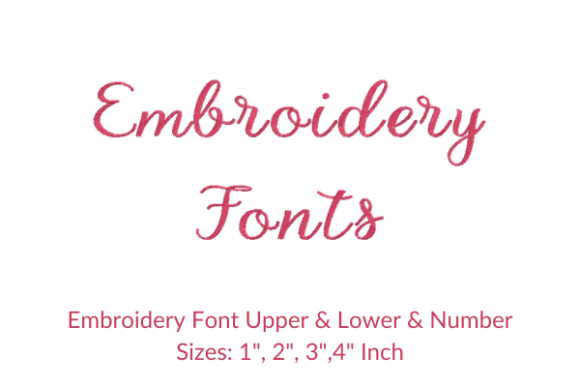
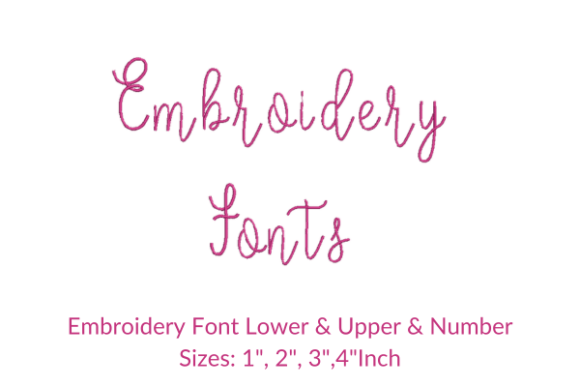
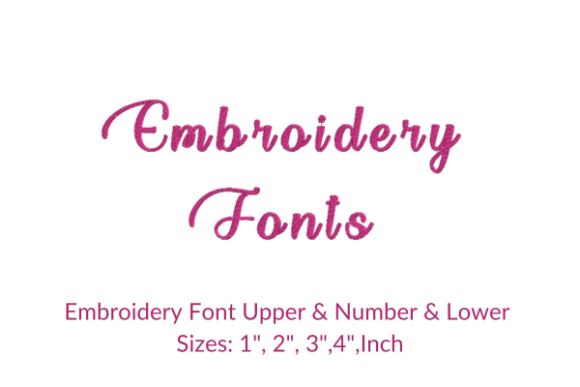
The moment I opened the preview, Dream Font Embroidery Design read like a gentle, handwritten script. It carries a sweet, almost nostalgic mood—think of a name stitched on a nursery blanket or a date embroidered on a wedding handkerchief. The letterforms flow with a natural ease, not too formal, not too childish. It sits right in that sweet spot where something feels both handmade and elegant without losing warmth.
For a personalized gift, that emotional tone is everything. This isn’t a font you’d use for a corporate logo. It’s meant for moments that matter: a baby’s first Christmas stocking, a grandmother’s apron, a teacher’s end-of-year tote. The charm of the design leans romantic and classic, with a hint of modern whimsy. The letter connections appear smooth, and the thins and thicks look balanced for machine embroidery—no obvious areas where stitch density might get too heavy.
From a buyer’s perspective, this font belongs in School and home categories. Think of a child’s name on a pencil pouch or a loving message on a pillow cover. The design feels ready to slide into a nursery, a kitchen, or a classroom gift without missing a beat.
Projects Where Dream Font Shines as a Personalized Gift
I immediately started imagining this embroidery font on the products I sell most. Here’s how Dream Font Embroidery Design would perform across different gift categories.
Baby Embroidery and Nursery Decor
A baby blanket with a newborn’s name and birth date stitched in this font would look nothing short of angelic. The soft curves complement the gentle texture of minky or cotton flannel. I’d pair it with pastel thread colors—pale pink, mint, or soft yellow—and keep the lettering size around two inches for crisp readability. For a nursery, a pillow cover with a sleepy quote would pull the room together. Because the font feels delicate, it automatically adds to the cozy, protected atmosphere new parents crave.
Wedding Gifts and Keepsakes
Wedding embroidery demands a script that feels timeless but not stuffy. Dream Font Embroidery Design walks that line beautifully. A ring bearer pillow, a set of embroidered napkins with the couple’s initials, or a simple “Mr. & Mrs.” on a linen towel would all feel elevated. The font’s romantic rhythm makes it perfect for dates and names. I’d recommend testing on a textured fabric like linen first—the delicate thins might need a water-soluble topper for a crisp finish.
Personalized Towels, Aprons, and Kitchen Gifts
An embroidered towel with a grandmother’s name or a funny kitchen quote becomes a cherished item when the lettering feels like a real signature. Dream Font adds a boutique feel to a simple flour sack towel or a woven apron. I’d lean toward contrasting thread colors—navy on cream, or charcoal on oatmeal—to make the script pop without losing its softness. For these products, the font’s stitch density matters. Too dense on a thick towel, and the letters might sink; the design seems well balanced, but as always, test on scrap fabric first.
Custom Tote Bags and Craft Fair Bestsellers
If you sell at craft fairs or on Etsy, a tote bag with a name or a short phrase in Dream Font is an instant crowd-pleaser. The font reads well from a distance, and the flowing shapes catch the light in product photography. I’d use it for “Teacher Tote,” “Book Lover,” or a child’s name with a small icon. The font’s delicacy means you’ll want to avoid heavily textured canvas unless you’re comfortable with a slightly rustic look, but on smooth cotton canvas it’s a dream.
School-Themed Personalized Gifts
Since the product category is School, this font lends itself beautifully to back-to-school items. A pencil pouch with a student’s name, a lunch bag tag, or a teacher appreciation towel would all carry that extra layer of care. The font is neat enough to feel appropriate for a classroom setting, but playful enough to delight a child. I’d keep the lettering size moderate—about 1.5 to 2 inches—to ensure the small details remain clear on a backpack or a fabric book cover.
Where to Use Dream Font Embroidery Design With Extra Care
No embroidery font is a one-size-fits-all solution. I’ve learned the hard way that certain fabric and product combinations can turn a beautiful design into a disappointing mess. Here’s where you need to be thoughtful with Dream Font Embroidery Design.
- Small lettering – If you try to shrink the font below 1 inch, the delicate thins may start to disappear or become unstable. Always test the smallest size you plan to offer.
- Thick towels and textured fabrics – Loops and uneven surfaces can swallow the fine lines. Use a heavy-weight cutaway stabilizer and a water-soluble topper for a cleaner finish.
- Stretchy baby clothes – On a cotton onesie, the font can look lovely, but the knit fabric shifts. A fusible mesh stabilizer is non-negotiable, and I’d recommend a slightly larger font size to prevent distortion.
- Dark fabric – Light thread on dark fabric shows every tiny imperfection. Test your thread color contrast and stitch quality on a navy or black scrap before committing to a customer order.
- Curved surfaces – A name on the curved edge of a tote bag or a pillow cover can warp the flow. Hoop carefully and consider a bit of basting spray to keep the fabric flat.
- Frequent washing – Items like kitchen towels or baby blankets get washed often. The font’s finer details need a secure stitch structure. I always double-check the back of the embroidery for any loose threads and use a high-quality polyester thread for durability.
How This Font Lifts the Perceived Value of a Handmade Product
When a customer sees a personalized gift in Dream Font, they don’t just see a name—they see intention. The flow of the letters suggests time, care, and a designer’s eye. That emotional connection translates directly into higher giftability. A plain towel becomes a treasured Mother’s Day gift. A simple blanket becomes a family heirloom.
For Etsy sellers and small shop owners, this font can help build customer trust. The finished product looks professional, not like a craft project that someone rushed through. The clean, romantic script invites buyers to imagine their own story on the fabric. In product photography, the flowing thicks and thins catch the light, creating a gentle shadow effect that makes the embroidery pop. I’d recommend showing a close-up of a name or a date in the listing photos—it’s the kind of detail that stops a scroll.
Because the font feels both classic and modern, it appeals to a wide range of buyers: a bride looking for a wedding gift, a mom decorating a nursery, a daughter creating a keepsake apron for her mother. That versatility is gold for a small business.
Practical Embroidery Notes for Sellers
Before you stitch this design on a customer order, walk through my pre-production checklist. These steps save time, money, and frustration.
- Test on scrap fabric – Always run a sample on the same fabric type and color you plan to use. Check how the font handles curves and small connections.
- Check thread color contrast – Hold the thread against the fabric in different lighting. A too-soft contrast might wash out the elegant lines.
- Confirm hoop size – The font’s size will vary with the whole word or phrase. Make sure your hoop can accommodate the longest name or quote you intend to stitch without re-hooping.
- Review stitch density – The product description mentions this is a high-quality embroidery font, but I always check the digital embroidery file for any overly dense areas that could cause puckering. Adjust underlay if your software allows.
- Use proper stabilizer – For most projects, a medium-weight cutaway stabilizer works. For towels, add a water-soluble topper. For knits, a fusible mesh stabilizer is your best friend.
- Compare light and dark fabric mockups – The font’s personality can shift dramatically on different backgrounds. I’d create a printable mockup or a quick stitch-out on both a cream and a charcoal fabric to see how the mood changes.
- Check small details after stitching – Look closely at the loops and connectors. Trim any jump stitches and ensure the thread tails are secure.
- Confirm commercial licensing – The product description doesn’t specify the exact license terms, so always reach out to the designer or check the listing to be sure you can sell finished products with this embroidery file. Most digital embroidery fonts are licensed for commercial use, but it’s wise to verify.
I also note that the product title includes “Dream Font Embroidery Design” and the description says “this machine embroidery design com…”—it’s likely the full listing has more details. I’d recommend checking the exact file formats, available sizes, and any included BX font files that work with your embroidery software. Details like stitch count, hoop size, and format aren’t provided here, so confirm those before downloading.
Bringing a Dreamy Touch to Every Order
After mapping out all these possibilities, I’m confident that Dream Font Embroidery Design will become a staple in my personalized gift shop. The font’s soft, storybook charm makes it a natural fit for baby embroidery, wedding keepsakes, school-themed teacher gifts, and everyday luxury items like embroidered towels and pillow covers. It strikes that rare balance between sweet and sophisticated, which means it appeals to the grandmother buying a blanket as much as the millennial shopping for a modern nursery.
The key is to respect the font’s delicate nature. Use the right stabilizer, mind the fabric texture, and never skip the test stitch. When you treat this embroidery font as a thoughtful tool rather than a quick fix, the finished product will speak for itself. Your customers will feel the love in every curve, and that’s what turns a simple handmade product into a gift they’ll remember.
For crafters, Etsy sellers, and small business owners looking to expand their custom embroidery offerings, adding Dream Font to your digital design library is a beautiful step toward creating more meaningful, higher-value work. Just remember to keep your thread colors soft, your stabilizer heavy, and your heart open to the stories your customers want to tell.